Staging Tips for the Master Bedroom

Sign up for my monthly newsletter via my home page - design inspiration and more sent right to your inbox!

master-bedroom-retreat-decor-pad.jpg

There are a lot of details that go into successfully staging a home. The master bedroom, in particular, holds a lot of weight in a buyer’s mind. This is a room where it is important to make them feel at home, a place where they can envision themselves relaxing and decompressing.

The bed is the focal point of a bedroom, so the bedding has to stand out. A messy bed is an immediate turn-off to buyers and sends the wrong message. To make your bedroom memorable, here are a few simple tips:

975974af535824772170d8201a7769f4.jpg

You can never go wrong with white

White linens are the most classic choice for bedding. You can pick up white bedding at a variety of stores without spending a lot. There’s a good reason you always see white bedding in hotels … it’s timeless, chic, and easy on the eyes. It makes the room feel relaxing and luxurious without being too distracting. One of my favourite designs is white pintuck bedding.

Keep it simple

4315c2026d4d3691e4e94b8c718cceb4--modern-bedrooms-beautiful-bedrooms.jpg

Simple is key with home staging. When there is too much going on in terms of colour and pattern, it becomes distracting to the eye, especially in photos. A clean, streamlined look is best. White (or any other plain-coloured) linens are best with just a few colourful accents, such as accent pillows and a throw. If you do have a patterned comforter, fold it at the base of the bed for a nice pop of contrast.

Add layers & textures

A few layers of pillows always make a bed feel more luxurious and welcoming. You can also add a throw or comforter at the base of the bed. To add in some texture, consider faux fur, velvet, embroidered, cotton, leather pillows. Also, place European shams (large square pillows) against the headboard for a great visual impact.

Steam your linens

A needed extra step when staging is to steam all of your linens including the pillowcases. In hotels, the bedding is always crisp and wrinkle-free. This makes the room look pristine and sophisticated. Though it will take some effort, it goes a long way in the presentation of a bedroom.
How to Sell Your Home in 2021 (Part 2)

Subscribe to my monthly newsletter via my home page - design inspiration and more sent right to your inbox!

How to Sell Your Home in 2021 (Part 2) …

  • How to Price Your House to Sell

Now is the time to find out how to price your home. Your agent will provide the most insight into this as they will have a good grasp on market conditions and buyer behaviour. 

  • Have it Professionally Staged!

It’s time to step up your game and stage your home to sell. A staging professional will guide you through the pre-listing process by providing a detailed game plan. This will include all tasks that may be necessary to help prep your home (declutter, depersonalize, paint, clean, etc.). They will also help you to determine your home’s selling points and then make sure to highlight those features to make them really stand out. It starts with a consult and can then move on to showcasing (staging) the home as well prior to photos.

  • Get Professional Photos Taken of Your Home

Nothing sells a house faster than professional photos. Buyers are searching online, looking at every home that comes up for sale … yours has to stand out from the crowd. Also, it goes without saying that you will need a video and/or 3D walking tour along with drone photography to remain competitive in today’s market.

  • List Your Home to Sell

Your real estate agent will list your home online on MLS, in order for it to start showing up on sites like realtor.ca. Also, don’t limit the marketing of your house to your real estate agent and online search. Market your house yourself! Spread the word through your family and friends. Share your listing on social media and send out emails asking people to share your listing with others. 

  • Have Open Houses and Personal Showings

Your first open house is what you’ve been working towards and now it’s about to happen.

  • Have a Plan in Case your Home Doesn’t Sell Quick Enough

Not every house sells right away. There are many factors at play and depending on the condition of the housing market for your area. Your real estate agent may have to use some other strategies to get your house sold. If it’s lowering the price of your home or holding more open houses, you’ll want to agree on what the next steps should be in case your house isn’t seeing any offers.

  • Negotiate the Sale Price of Your Home

One thing to consider is that the buyer is trying to get the absolute best price they can, while you’re doing the exact same. There will be multiple factors to consider, as each home sold and purchased is different. For example, if it’s a buyer’s market, that means the buyer has the upper hand because there are multiple listings with fewer offers being made. However, that doesn’t necessarily mean you have to make huge concessions in order to sell your house.

This is where your agent really steps up. They will help you navigate the negotiation process, and will give you their advice on how to proceed when offers are being made.

  • Sign and Close

You and your agent have been working towards this moment. You’ve agreed on a price with the buyers, all inspections and appraisals of your home have been completed, and you are now signing the papers to sell your house. Congratulations, you’ve done it!

How to Sell Your Home in 2021 (Part 1)

Sign up for my monthly newsletter via my home page - design inspiration and more sent right to your inbox!

  • Hire a Home Inspector

Having a home inspection is a proactive approach to getting your home ready to sell. Known as a pre-listing home inspection, you can find out the exact condition of your property, what issues and repairs need to be addressed beforehand, fix them, and then focus on the next task to sell your home fast.

  • Make Repairs and Small Upgrades to Your House

After you receive a comprehensive list of repairs you should make, it’s time to get started either making the repairs yourself or contracting the right person to do them. This may also be a great time to make small upgrades to your home.

  • Hire a Home Stager

Hiring a stager can happen BEFORE or AFTER you contract with an agent. I am finding that more and more sellers are reaching out to me first so that they have a gauge on the work that needs to be addressed (and the timeline to complete) prior to listing. Like the home inspector, my job is to point you in the right direction by outlining all recommendations that should be addressed. These recommendations generally fall into the category of cleaning, decluttering, depersonalizing, enhancing curb appeal, etc. Renting storage units is becoming an increasingly popular method of decluttering one’s house before selling it. The idea is to limit the amount of stuff in your house so that potential future owners can envision themselves (and their stuff) in that space.

  • Find a Real Estate Agent

Referrals from trusted friends and relatives would be a great place to start. Here are some questions to consider asking any potential candidate:

  • How many clients have you served this year?

  • Has a client ever filed a complaint against you?

  • What is your fee? 

  • What services do you offer beyond negotiations?

After you decide on a real estate agent, you and your agent should come up with a plan of action. It should include a timeline, from the pricing of your house and getting it listed on MLS to open houses. You and your agent should be on the same page at all times and a plan of action will help ensure that happens

… stay tuned for Part 2 in February 2021 …

10 Turnoffs for Home Buyers

Sign up for my monthly newsletter via my home page - design inspiration and more sent right to your inbox!

Here are 10 of my favourite turnoffs for buyers (in no particular order). Some of these have long been regarded as helpful (ie. baking before a showing to create a warm and pleasant experience); however, times (and today’s buyers) are different so time to re-think:

  1. Outdated/overdressed curtain treatments - one of the 5 main things I address during a consult are window coverings since they can very quickly date a home. Less is more so if the curtains/valances are dated OR distracting, I always recommend they be removed.

  2. Scents - smells can instantly make or break a showing - baking cookies is not necessary! And don’t scent it up with candles, air fresheners, or perfume since it’s too risky these days (many individuals have allergies to flowers or perfumes). Think scent-free!

  3. Over-accessorizing - a staging professional will help you to find the right balance between too many accessories and too little - neutralizing the space is key so personal photos are a must go. Simplicity is key and groupings of 3 are more appealing to the eye! And, no rugs on top of rugs !!

  4. Matchy-Matchy - too much uniformity can make your home feel dated - for instance, no matching placemats, table runner, curtains. Fabric items like this are used much less in today’s homes. Remember, there are different ways to create warm and cozy without the overuse of fabric.

  5. Dark Rooms - they are notoriously harder to sell - light, airy rooms are always more appealing to buyers. Buyers want to see bright rooms so the more light you can bring in, the better!

  6. Artwork in random places - there are natural places for artwork to be mounted to enhance a room’s overall look/feel - for example above a couch, at the end of a hallway, above a bed, etc. - make sure art is centered at eye level so that it feels welcoming and not awkward

  7. Uncleanliness - Don’t assume it’s ‘clean enough’ - buyers want pristine so leave no signs that your home hasn’t been immaculately maintained. This includes windows!

  8. No curb appeal - as stagers, we tend to focus on the interior; however, if you can’t ‘grab them at the curb’ so to speak, nothing that you do on the inside matters. Buyers will drive by and form an immediate first impression based on the exterior of your home. That impression will then determine whether they reach out for a showing so make that impression count!

  9. Unappealing entryway/foyer - like curb appeal, your foyer matters and, oftentimes, up to 5 different areas of the home can be seen from this vantage point - make sure it’s clutter-free and inviting!

  10. Too much furniture - I would say with the majority of homes that I consult on have waaayyy too much furniture !! - always extra lazy-boys in the living room or misc chairs tucked into corners, dressers inside of closets, etc. Pare it down to maximize the space available in each room!

Soft Staging (aka Vignette Staging)

Statistics show that homes that are staged sell faster than ones that aren’t, especially when it comes to vacant homes. Most buyers struggle to connect with vacant spaces because the rooms feel impersonal and it's difficult for them to determine the scale of a room without furniture in it.

This would be how to soft stage a spare bedroom without using a full bed, etc.

This would be how to soft stage a spare bedroom without using a full bed, etc.

If you’re on a tight budget but still want to take advantage of the benefits of staging an empty home, soft staging is an alternative.  It has a similar effect on buyers as traditional home staging but with less of an investment.  Note:  I always recommend fully staging the key rooms of the home which include the living room, kitchen and master bedroom with vignette staging being reserved for less impactful rooms.

What is Soft Staging or Vignette Staging?

A vignette is a small visual element that provides context to an area.  Vignettes are often used in secondary rooms, such as kid's bedrooms, offices, or those areas that don't really have a defined purpose.  

PRO's of Soft Staging:

  • Cost is low, perfect for small budget.

  • Instantly changes the emotion of walking into a vacant room.

  • Gives a vacant house a more homey feel.

  • Takes the buyer's attention away from any possible flaws.

The very basics are used in this vignette to show this as an office space.

The very basics are used in this vignette to show this as an office space.

CON's of Soft Staging:

  • Not as effective as full staging in getting offers.

  • Buyers will have a more difficult time establishing an emotional connection to the house.

  • Buyers will not easily envision themselves living there.

  • Will not give buyer a frame of reference on size of room or the ability to imagine furniture placement.

Important Elements of a Vignette

Balance - either symmetrical or asymmetrical - In a symmetrical vignette, everything is balanced on either side of the display (same height, same weight, same colour).  The chair pic below is a good example of this. In an asymmetrical vignette, one side will be taller, heavier, or maybe even bring in a different color. 

Mirrors - they always look great as part of a vignette, especially in a small or dark space. Since mirrors reflect light, they help make a space feel larger and more open. 

Artwork - like mirrors, artwork helps to anchor the vignette and give it some height, but also helps to bring in some colour and personality. It doesn’t have to be one large piece of art. You can do a gallery wall or even lean some smaller pieces of art against the wall in addition to the piece that’s hanging for a more casual look.

Books - Books work really well in vignettes. Since they are stackable, you can customize how tall you need them to be for the balance. You can place a small sculpture or knick-knack on top of a stack of books to finish it off.  Make sure the books are attractive and match the colours of your vignette. 

Flowers, Sculptures, and Knick-Knacks - No vignette is complete without flowers, greenery, or small knick-knacks. Keeping it simple is the best way to go. Choose just 1-3 pieces to incorporate into your vignette. 

A small vignette perhaps used to create a basic living room setting.

A small vignette perhaps used to create a basic living room setting.

Remember:

  1. Vignette staging should always be consitent with the purpose of the room. In other words, stage an office as an office.

  2. Place objects in odd numbers. Groupings of objects in 3's or 5's are more visually pleasing than even numbers of objects.

  3. Draw the buyer through the house with vignettes.

What Your Home Needs to Appeal to Buyers

When you list your home, you want the best chance at having it appeal to buyers and standing out from the competition. Putting it out there “as-is” probably won’t cut it. So, to make sure your home makes a positive impression, here’s what you need to focus on:

Curb appeal

The first impression a buyer gets of your home is crucial. Nothing that you do on the inside matters if you can’t grab their attention from the curb. Oftentimes, they can’t get past the exterior to even take the next step of touring inside.

Maintain the lawn and landscaping, pressure wash decks and other needed areas (garage door, siding), and give the home a fresh coat of paint if needed. Extra touches like a welcome mat, potted plants by the front door, and new light fixtures will help it stand out.

Clean, uncluttered space

No one enjoys going into a home that is packed with clutter. Even if the home has had a deep clean, it won’t feel like it is if there are items everywhere.

Put away personal items and family photos, neutralize the décor, and create as much space on the shelves and other surfaces as possible. As for the cleaning, hire a professional for a thorough job.

Plenty of light

The majority of buyers prefer bright, open spaces. They look larger and feel more inviting. Allow natural light in from windows by choosing window treatments that don’t block the light. Move furniture out of the way and trim back trees that could be blocking the light from the outside. Other tricks like mirrors and reflective surfaces can bounce light to help out too.

A welcoming vibe

Have you ever walked into a home and something felt off? Or you felt nothing at all? A cold, unwelcoming home won’t impress buyers. In fact, many of them decide on what home to offer on based on the way it makes them feel rather than how many things it checks off on their list.

To create that ‘feeling’, make sure the décor is neutral so that it appeals to the widest number of buyers possible. Once it’s been decluttered and cleaned, add in some special touches to make it feel like home (coffee cups in a tray, flowers, hanging robe in an ensuite, etc). Small touches can go a long way.

Rooms with a clear purpose

Many buyers struggle to imagine how a space can be used without seeing examples in front of them. Rooms that are empty or have multiple purposes can confuse buyers and make them feel like the space is wasted or won’t work for what they need.

To make sure there is no confusion, make sure every room in your home has one clear purpose. Keep in mind who the most likely buyer will be and cater to that demographic accordingly.

Virtual Staging - Yes? No?

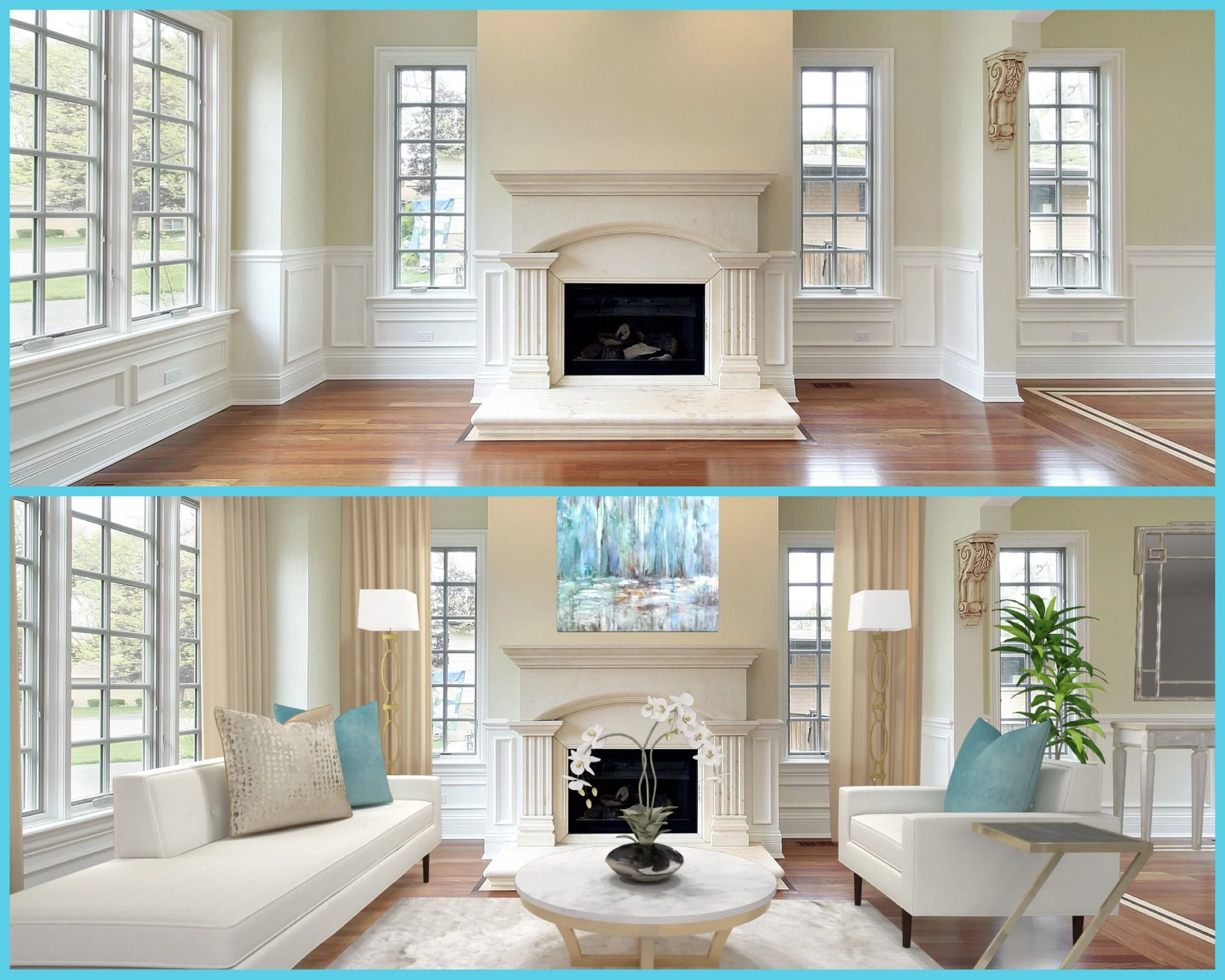
The quickest way to sell your home for top dollar is via professional staging. Nothing compares to the experience of walking into a beautifully-staged home. That said, there are some situations in which you may want to consider virtual staging instead.

livroomvirtual.jpg

What is virtual staging? Very simply, it’s the process of editing photographs of your home to add furniture and accessories digitally. Virtual staging, like traditional staging, creates a vision of what life would be like in a home; however, unlike traditional staging, there is no moving of furniture or accessories. Since virtual staging is a digital process, all you need are professional photos of your home. Obviously, this means it’s more affordable and more convenient than traditional home staging. But there are some caveats …

The Benefits of Virtual Staging

  1. Virtual staging offers more versatility when styling room.

  2.  Virtual staging makes it easy to “change” paint colors and window treatments.

  3. Virtual staging allows you to showcase both existing features and potential features.

The Drawbacks of Virtual Staging

  1. The biggest downside is that buyers may be confused or disappointed when they see your home in person (and it doesn’t look like the pictures).

  2. Your home will not have the in-person “wow factor” that is so important for showings.

So, when should you consider virtual staging?

  1. If your home is in a less populated area that doesn’t get many in-person showings.

  2. If your home is being renovated or remodelled - it would then allow you to show buyers what your home would look like upon completion.

  3. If you don’t have the budget for traditional home staging services. Virtual staging is better than no staging.

When to Avoid Virtual Staging

  1. Don’t stage your home virtually if you have a lot of in-person showings. Buyers may feel confused or tricked when the home doesn’t look the same way it did online and you want to avoid losing trust from potential buyers. Note: If you choose to stage your home virtually, make sure it’s clear that the photos have been virtually staged.

  2. Also, avoid virtual staging if you have a luxury home. Buyers of luxury homes have higher expectations. They almost always expect to see a staged home.

word-image-64.jpeg

Choose the Right Staging

No matter which type of staging you choose, remember:

  1. use neutral furniture and decor - style and design choices should appeal to the broadest audience possible to elicit the most offers.

  2. make sure that the person is a certified staging professional.

  3. make sure that you aren’t wasting your resources on a cheaper service. Although staging your home virtually can be a good low-budget option, you should also consider traditional staging in a few key rooms.

If you’re considering selling, book a consultation - I would be happy to help ~ Julie Brown, CCSP - Flair Style Co.

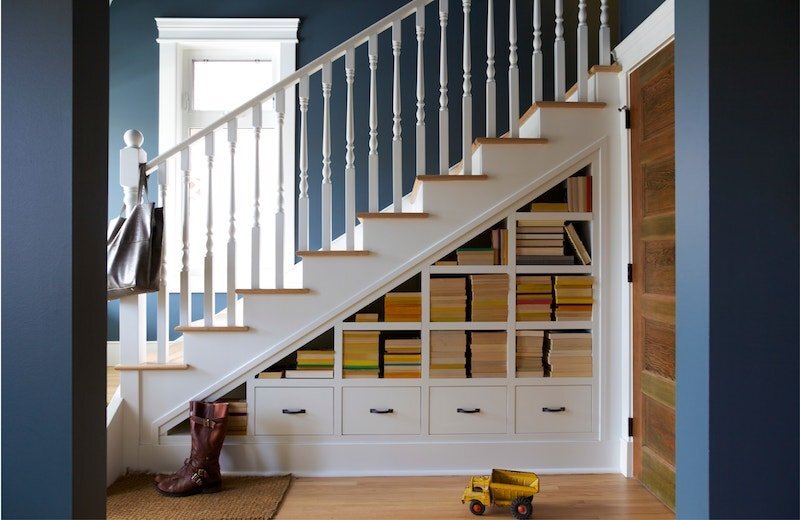
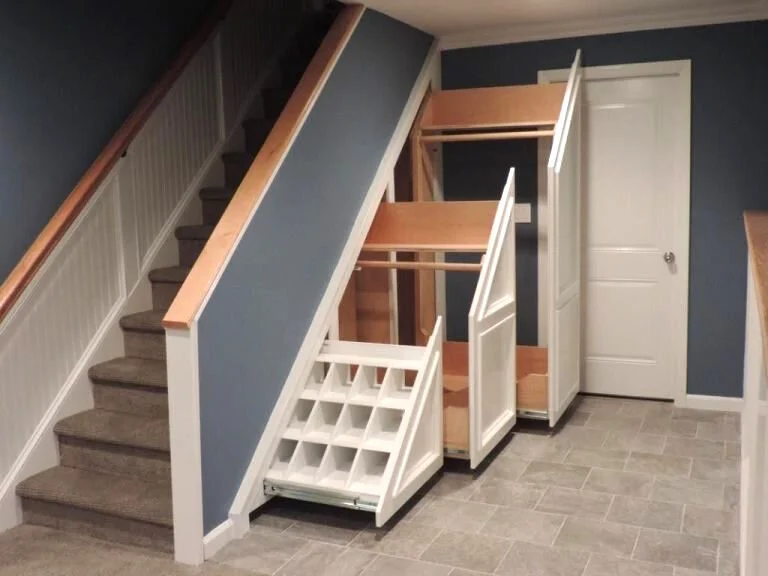
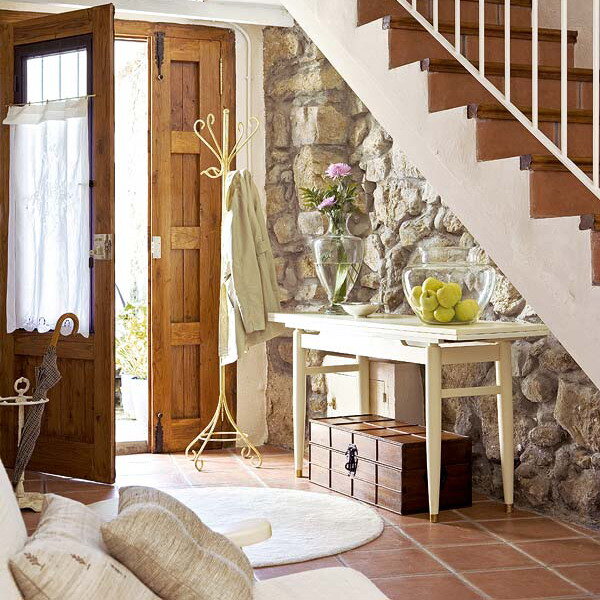
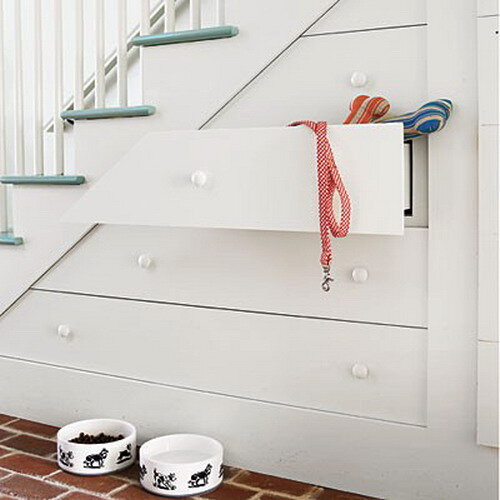
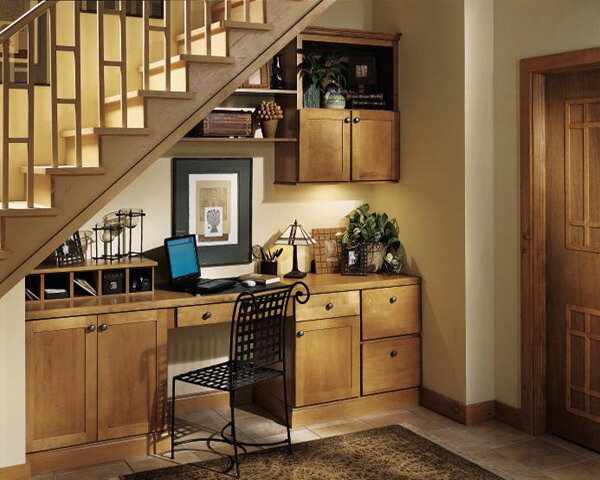
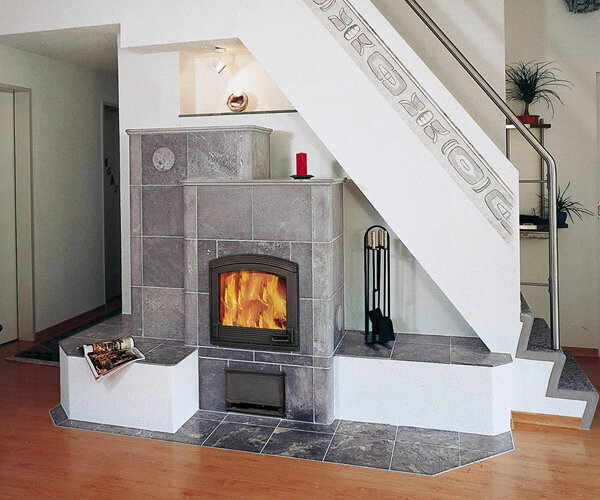
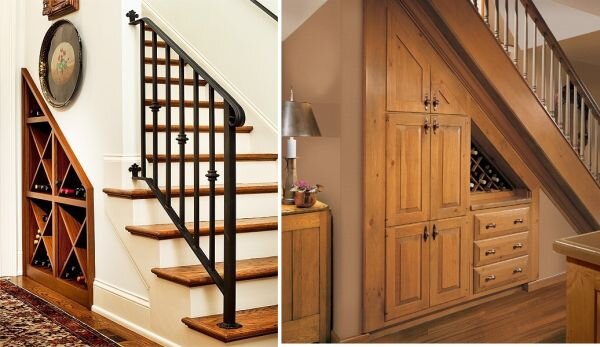
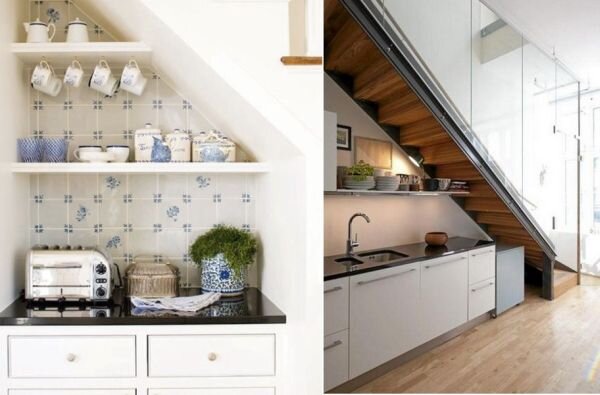
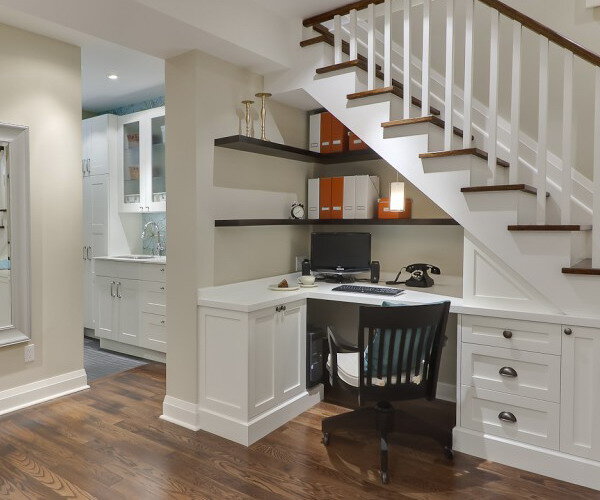
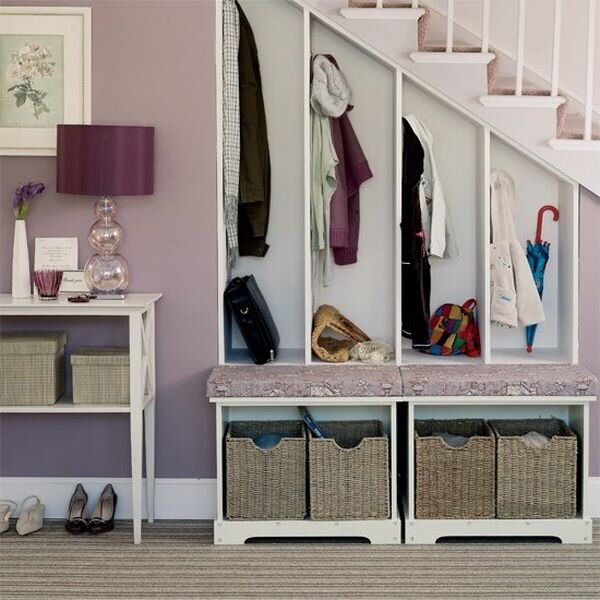
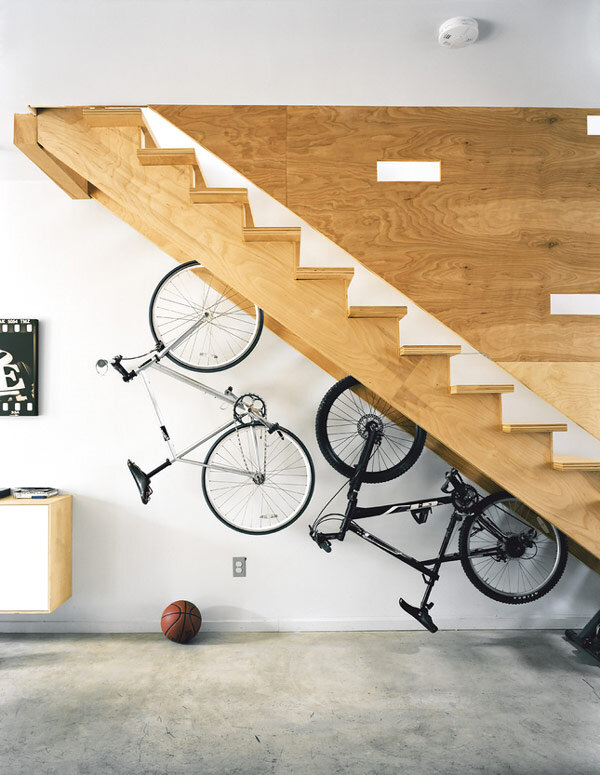
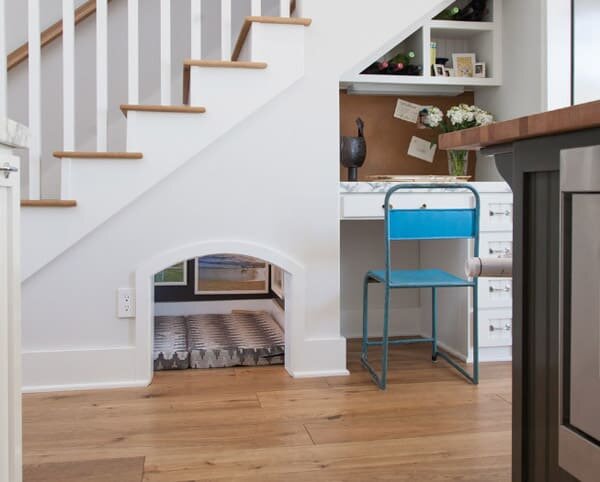
Best Design Ideas for Under Your Stairwell

Storage remains one of the most sought-after home features for today's buyers (and current homeowners). Since many people have a staircase in their home, I’ve included some great ideas for how to make effective use out of the space underneath the staircase. I found most of these ideas on Google but I’m sure there are many more out there … Pinterest for sure would probably also have some great ideas!

Why Home Staging Works

Staging is done to show a home in its best light.

I love using the analogy of selling your car when trying to explain the importance of staging. If you want to sell your car for the most money possible (and in the quickest amount of time) you will detail it (wash it, wax it, vacuum it, etc). The same goes for your home just on a much larger (and more important) scale.

Here are some of the key reasons why home staging works:

  • It suggests to buyers that you take excellent care of your home.

  • 90% of people can’t envision the potential of a home beyond what they see in front of them - hence the reason why showcasing a clean, neutral, attractive space is so important (along with showing the intended function of each room!)

  • Buyers want to do as little work as possible when buying a home. If if looks like it needs any amount of work, all they will see is the money, effort, and time that will be needed to get the home the way they want it (and will probably walk away at that point). By doing the work for buyers, they feel they can just move right in and relax and enjoy their new home.

  • Many buyers assume if you can’t bother making your home look good while selling it, then perhaps you’ve neglected routine maintenance or repairs. It’s both a red flag and a turn-off.

  • When you show buyers how to use each space, buyers are able to envision themselves moving right in. They won’t question which rooms work best for different purposes. When they have to think about how to use each room, they wonder whether there are enough rooms in the home. You don’t want any second guessing.

  • Finally, seeing the home in excellent condition justifies the price you’re asking and removes all reasons for them to offer you less than your asking price.

Here’s one of my recent stages showing the power of staging to help visualize a space:

BABasement.jpg

The Do's and Don'ts of Decorating with Mirrors

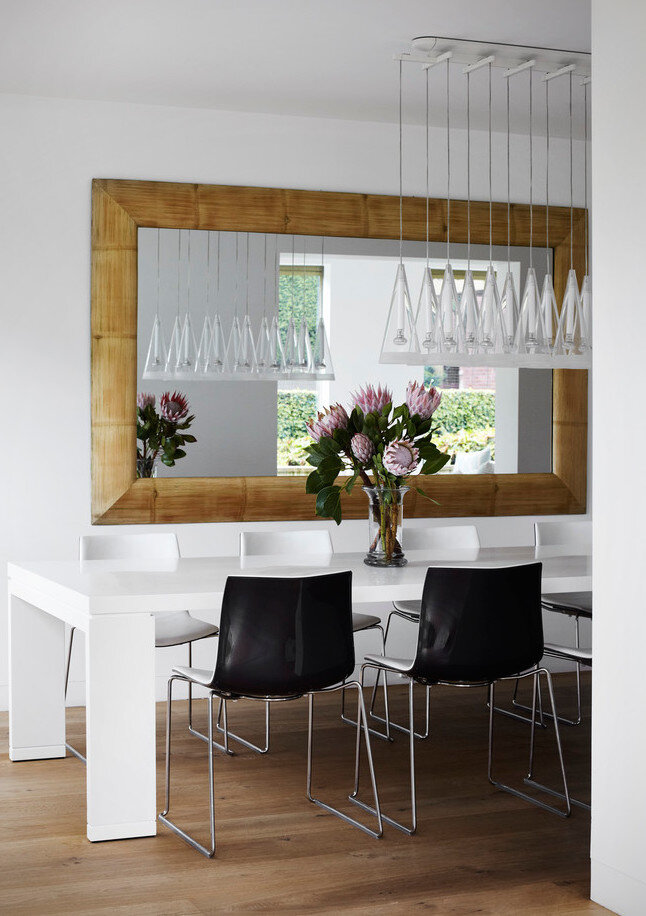
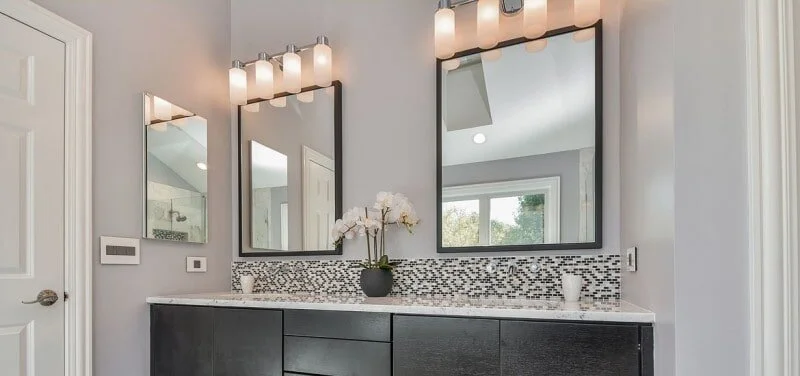
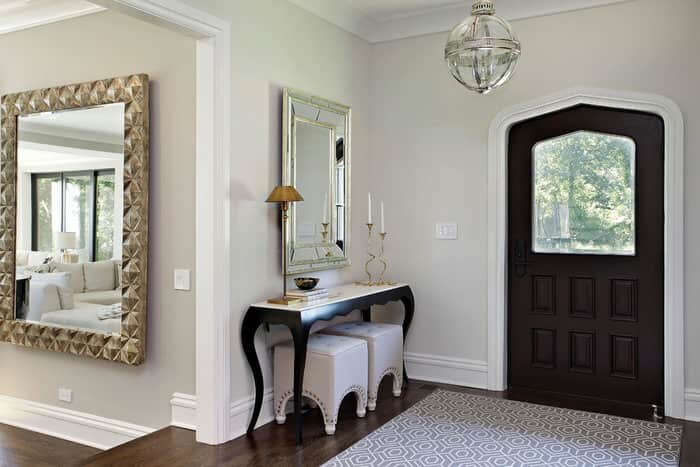
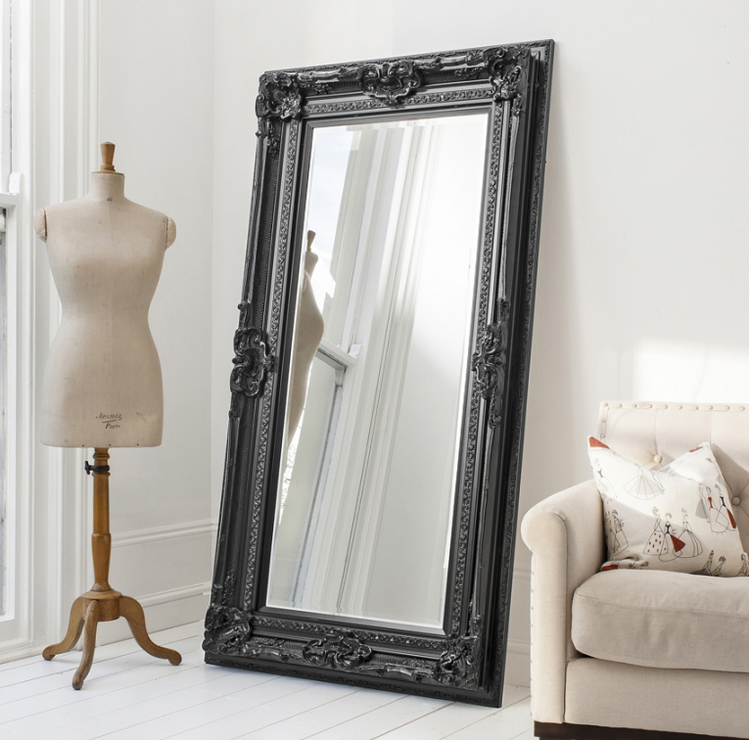
Mirrors can play so many roles that it’s hard not to have them as one of my ‘go to’ accessories when staging. They can make a space feel larger, increase light in a room, act as artwork to create a mood and reflect a great view. Using a mirror also gives me the opportunity to show off an architectural feature or other selling point of the property that a potential buyer might overlook.

Here are some basic DO’s and DON’T’s when it comes to decorating with mirrors:

DO:

  1. use large mirrors in tiny rooms

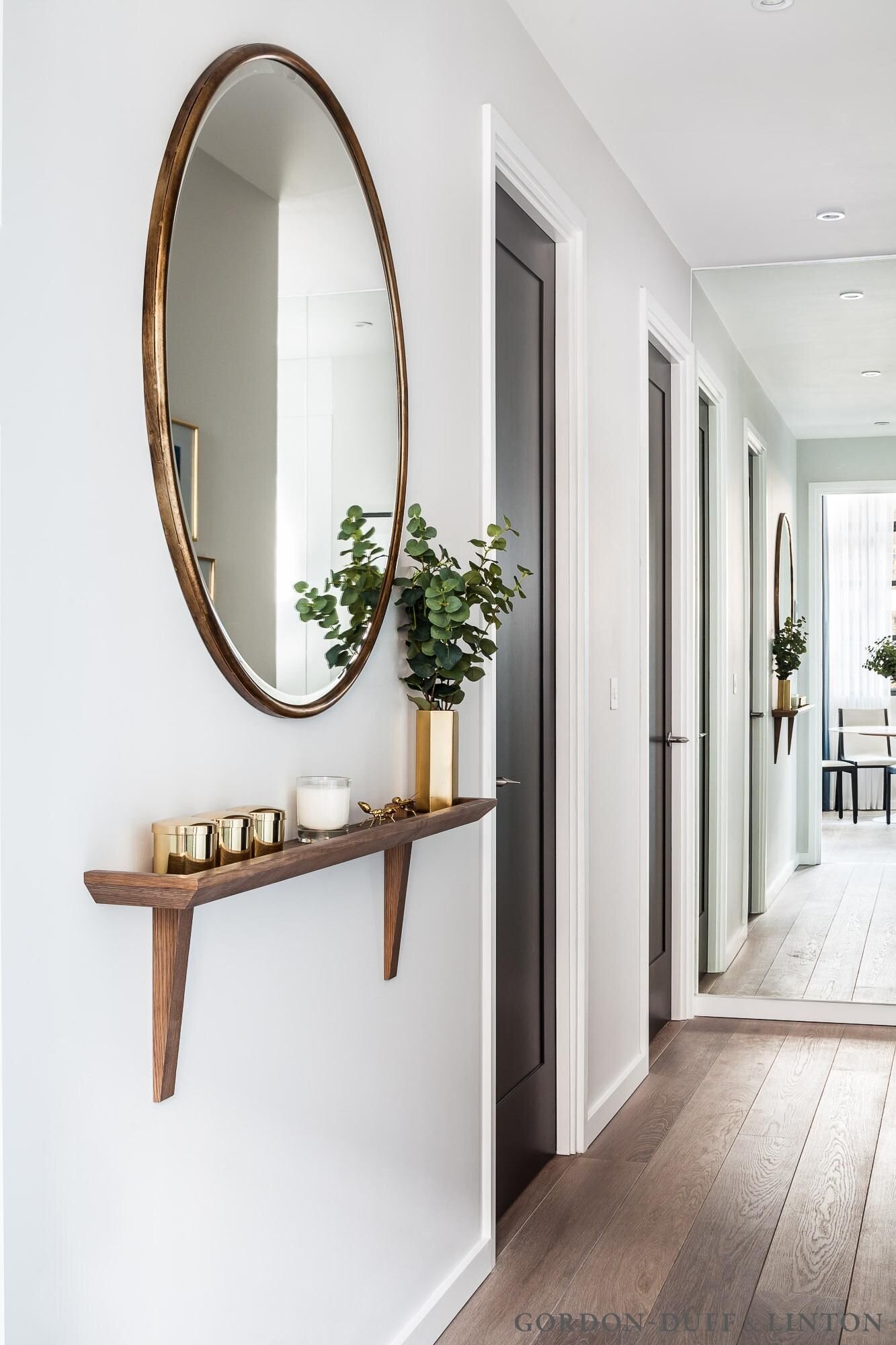
  2. use mirrors in narrow hallways and staircases

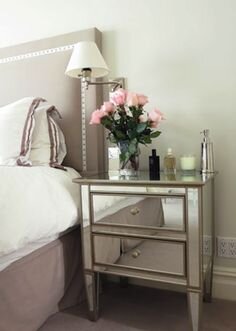
  3. use mirrored furniture to your advantage - mirrored side tables, for instance, beside the bed in a small bedroom will help widen the space

  4. use full-length floor mirrors

  5. pretend mirrors are decorative windows

  6. display one in the dining room

  7. use multiples in bathrooms

  8. use mirrors to showcase a beautiful view

DON’T:

  1. place mirrors in random locations (reflecting random things)

  2. put mirrors in kitchen (not needed and if they are placed near sinks or other activity areas they create a cleaning nightmare)!

  3. go overboard with mirrors in your bedroom - bedrooms are meant to be restful areas - it’s okay to place one above a headboard but avoid mirrored closet doors for instance

  4. place a mirror opposite the front door - instead hang a foyer mirror on a side wall

  5. hang one above a fireplace (or anywhere too high) - they often reflect the ceiling or light fixture