5 Things You Shouldn't Do When Selling Your Home

As a stager, I’ve toured through many homes and had discussions with an equal number of real estate professionals about the key factors that make homes sell. One thing I know for sure: it’s not rocket science … it’s common sense.

I often encourage the seller to put themselves in the buyer’s shoes and have them think about what they would want to see when touring a home.

Here’s a list of what I feel are the top 5 things you should avoid doing when selling your home:

 
Don't show day-to-day life.jpg
 

Grab 'em at the Curb

If you're thinking of selling your home, it goes without saying that curb appeal is CRITICAL and is always factored into the overall staging plan.  It doesn't need to be complicated ... just stick to the basics and your property will stand out, especially during the upcoming summer months:

  • make sure potential buyers can find your home! ... that means attractive house numbers that are visible from the road OR, for rural properties, ensuring the fire # is easily visible.

  • if your home is not visible from the road (long laneway), make sure there's a display of flowers, planters, decor or lighting at the end of your driveway. Little touches go a long way.

  • invest in a new mailbox (again, rural properties especially !!)

  • add a fresh coat of paint to the front door. Make it complement the house and trim along with a 'wow' colour to stand out. If you are unsure, there are online apps that will help you to visualize the look.

  • invest in a new doormat.

  • make sure door handles, locks, and your doorbell are working properly. If they are standard 'brass' consider painting them.

  • ensure your walkway is clear by trimming tree branches, shrubs, etc.

  • ensure that all yard equipment, trash cans, kids toys and pet 'stuff' is out of sight.

  • depersonalize if necessary - ie. remove family name signs, flags, etc.

  • show off how fun your yard can be by adding in lifestyle items like a hammock, raised fire pit or outdoor games.

  • weed or scale back your gardens, keep the grass cut and add in a few nice floral touches (hanging plants or containers).

  • consider pressure washing your home and decks if needed (very satisfying!)

  • have your outdoor lights on at night with sufficient wattage ... most people will drive by after hours. Consider spotlights to showcase it even more!

  • repair any porch bannisters and railings and add a new coat of paint if needed.

  • don't forget your outdoor living space. Very popular these days to bring the indoors out with fashionable cushions, outdoor rugs, etc.

Remember, these are all great investments that you are making towards ensuring your home sells quickly and for more money ... it will be worth it!

8 Ways to Decorate With Throws & Blankets

Throws and blankets are still very popular purchases for bedrooms, family and living rooms, mostly because they are both functional and decorative. Here are some unique ways that I decorate with them both at home and on my staging projects:

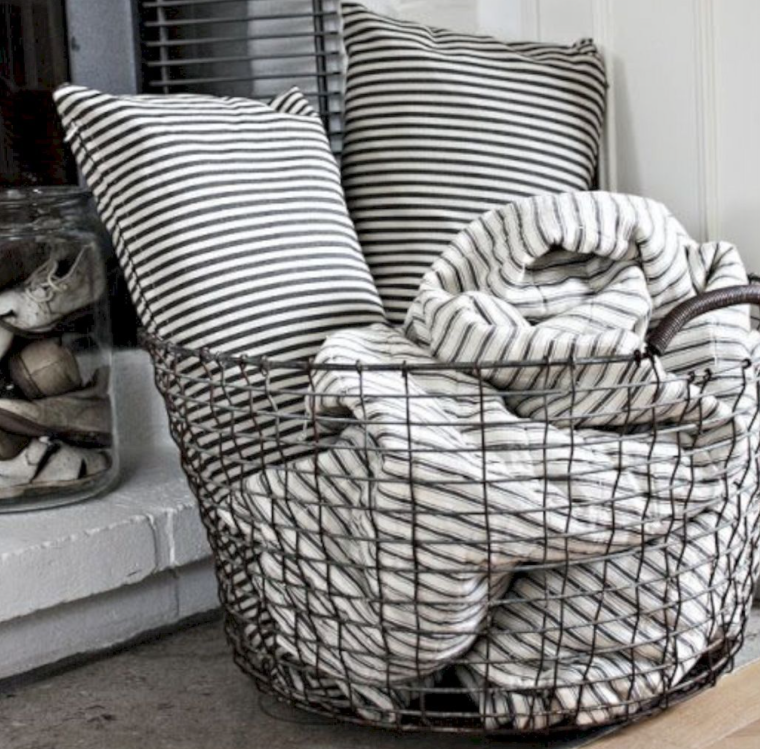
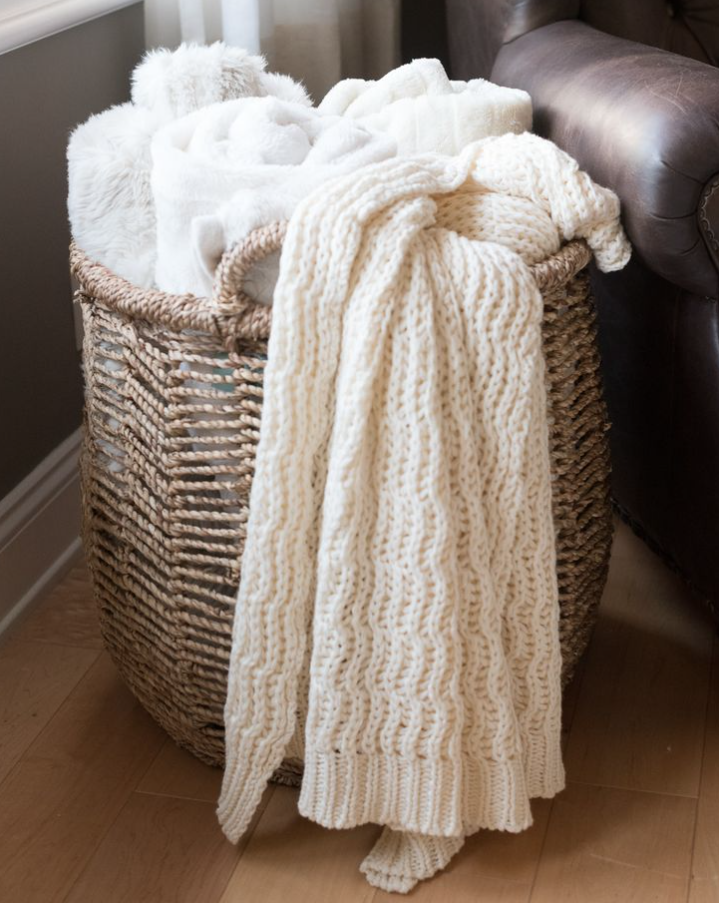
  1. ROLL THEM INTO A WIRE BASKET - Roll throws into bundles and tuck them inside a wire basket. Choose blankets with different textures and colours to make the basket double as a pretty decor piece.

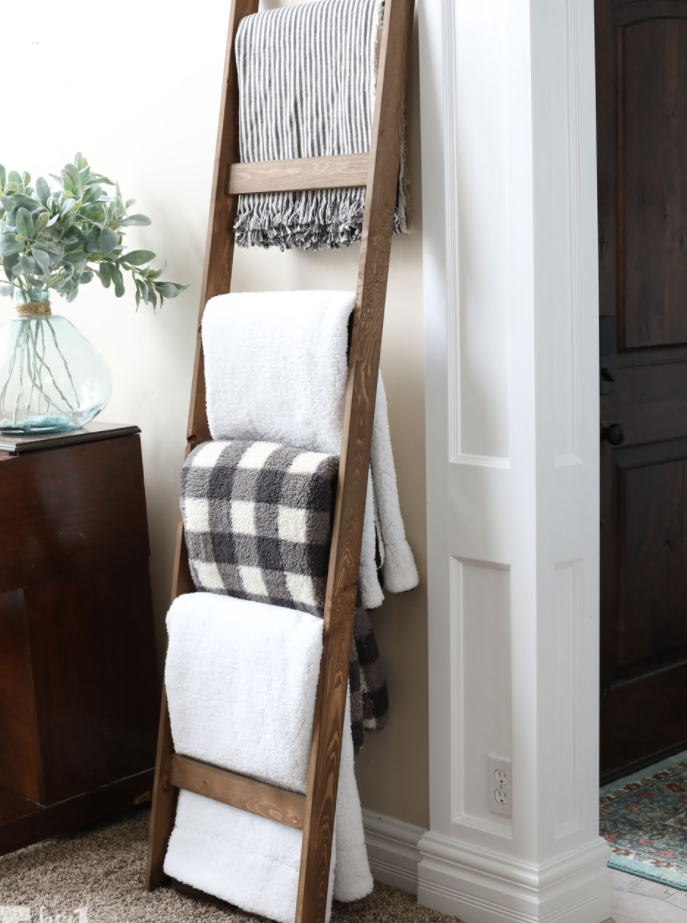
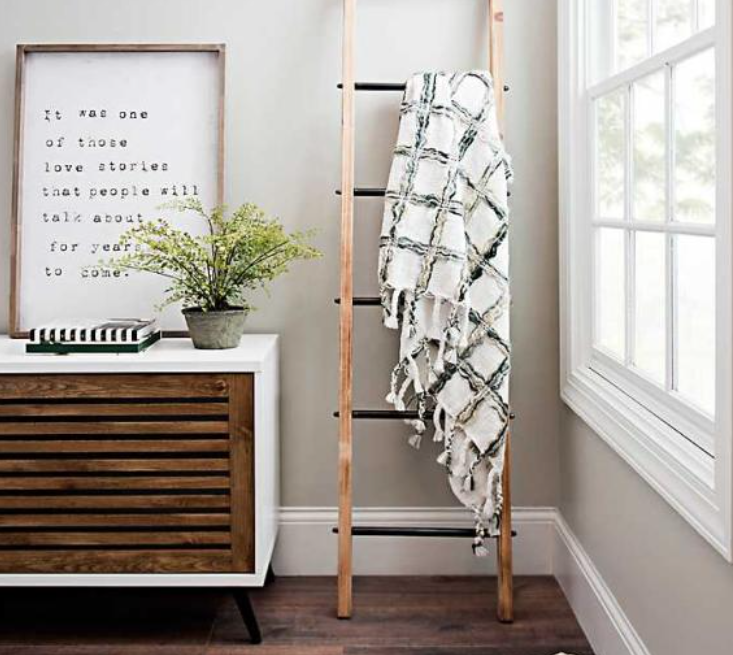
  2. DISPLAY YOUR THROWS ON A STYLISH LADDER - This is another great way to add colour, texture and a unique design element to any room. It’s also great if you need to create height against an empty wall.

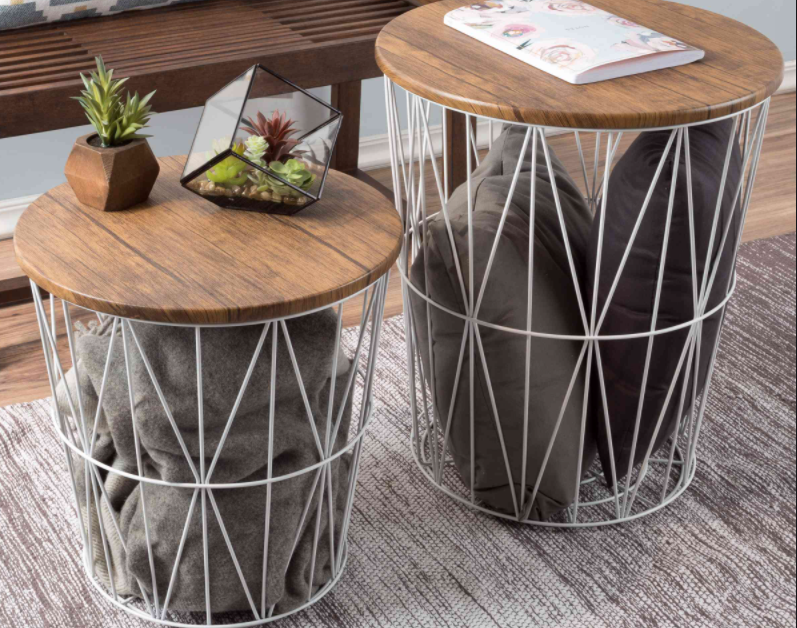
  3. FILL A DECORATIVE BASKET - Baskets come in a wide variety of colours, sizes and designs. Have fun filling yours with multi-coloured throws or blankets, (purchased or your own DIY crochet or knitted blankets). Place it next to your fireplace or couch. Depending on the size, they often look nice under your coffee table.

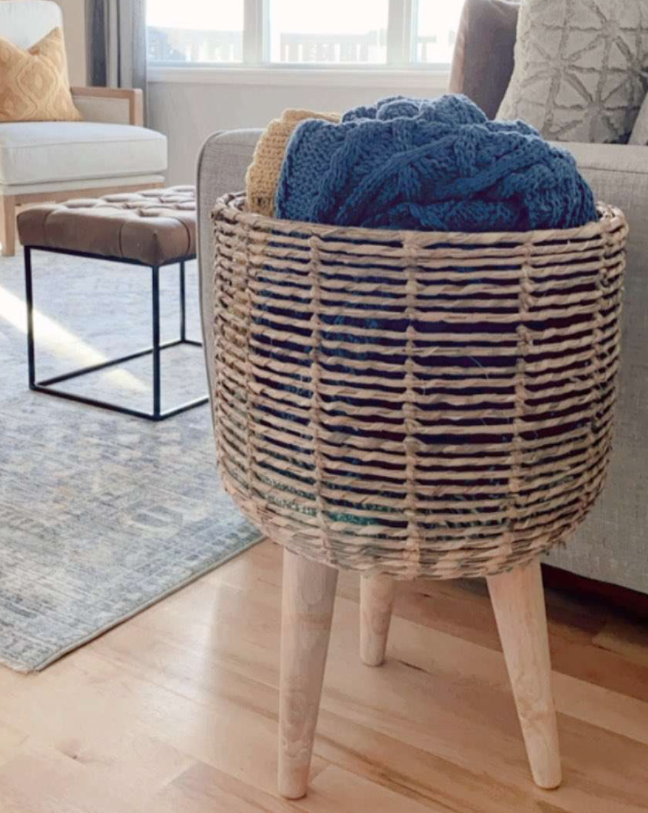
  4. TRY A PLANTER BOX - Think outside of the box and consider alternative storage solutions like a wicker footed planter. I recently saw a trio of footed planters (varying sizes) which would look awesome in the corner of your living room or den.

  5. HANG THEM ON HOOKS - Create a wall of throws and blankets! Easy to grab, use and place back when you need to tidy up!

  6. ROLL THEM IN A WOOD HOLDER - A great off-season idea for your fireplace wood holder. Roll the throws and pile them inside!

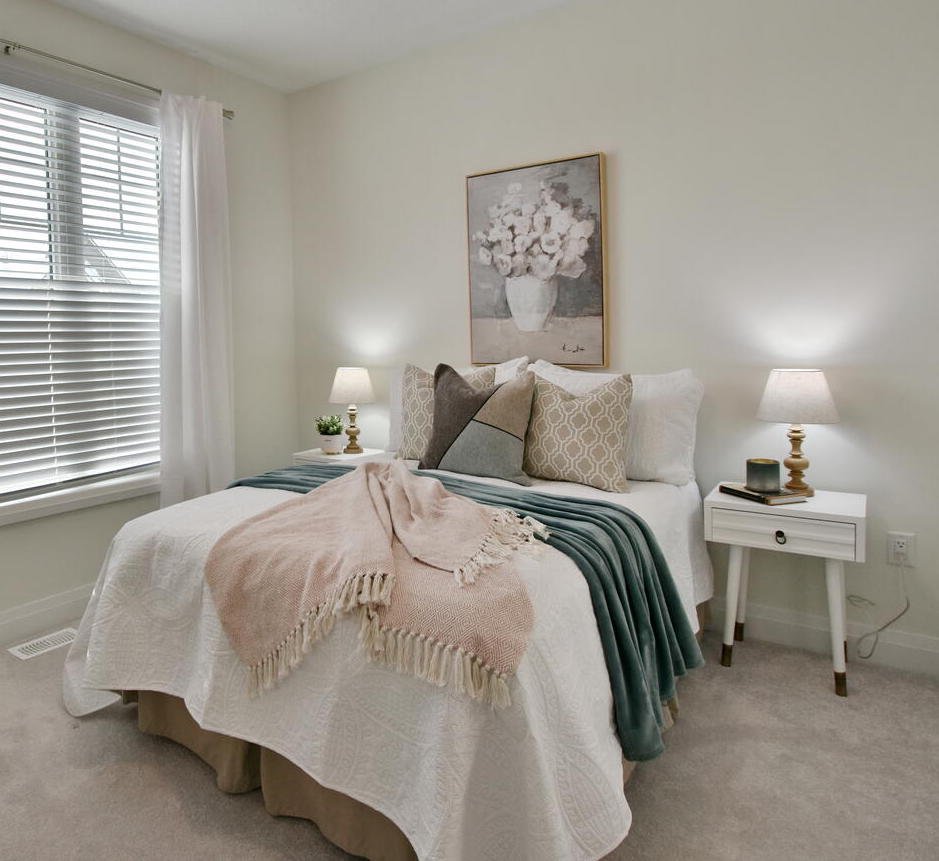
  7. USE THEM ON A BED - a very common use to add a layered look to any bed - lots of unique ways to do this - lay across the bed (side to side) if the throw is long enough - it can be gathered or straight - drape casually across the end of the bed or just ‘throw’ it - where and how it lands becomes the design :)

  8. USE THEM ON COUCHES, CHAIRS & OTTOMANS - another very popular ways to use throws and blankets - they can be casually placed on couches and chairs to create ‘flow’ or folded and placed for a more formal, polished look.

Design Principle #2 - Unity

Unity refers to the repetition of particular elements throughout your design to pull the look together (or to create harmony). This repetition can come in the form of colours, shapes or textures.

As humans, our minds are always at work trying to gather information and make sense of our surroundings. In order to sort through the chaos, we often subconsciously lock onto patterns and elements that seem to go together. When we can easily get a sense of the space through unity, we feel calm rather than overwhelmed.

Hence, why it’s so important when decorating.

How do we achieve Unity?

Start with a colour palette

Using colour is one of the easiest ways to unite a space and create harmony among all the different elements. Identify three to five colours you want to use in your space, and repeat them throughout. The key to making it look natural is varying your tones.

Incorporate Textures & Patterns

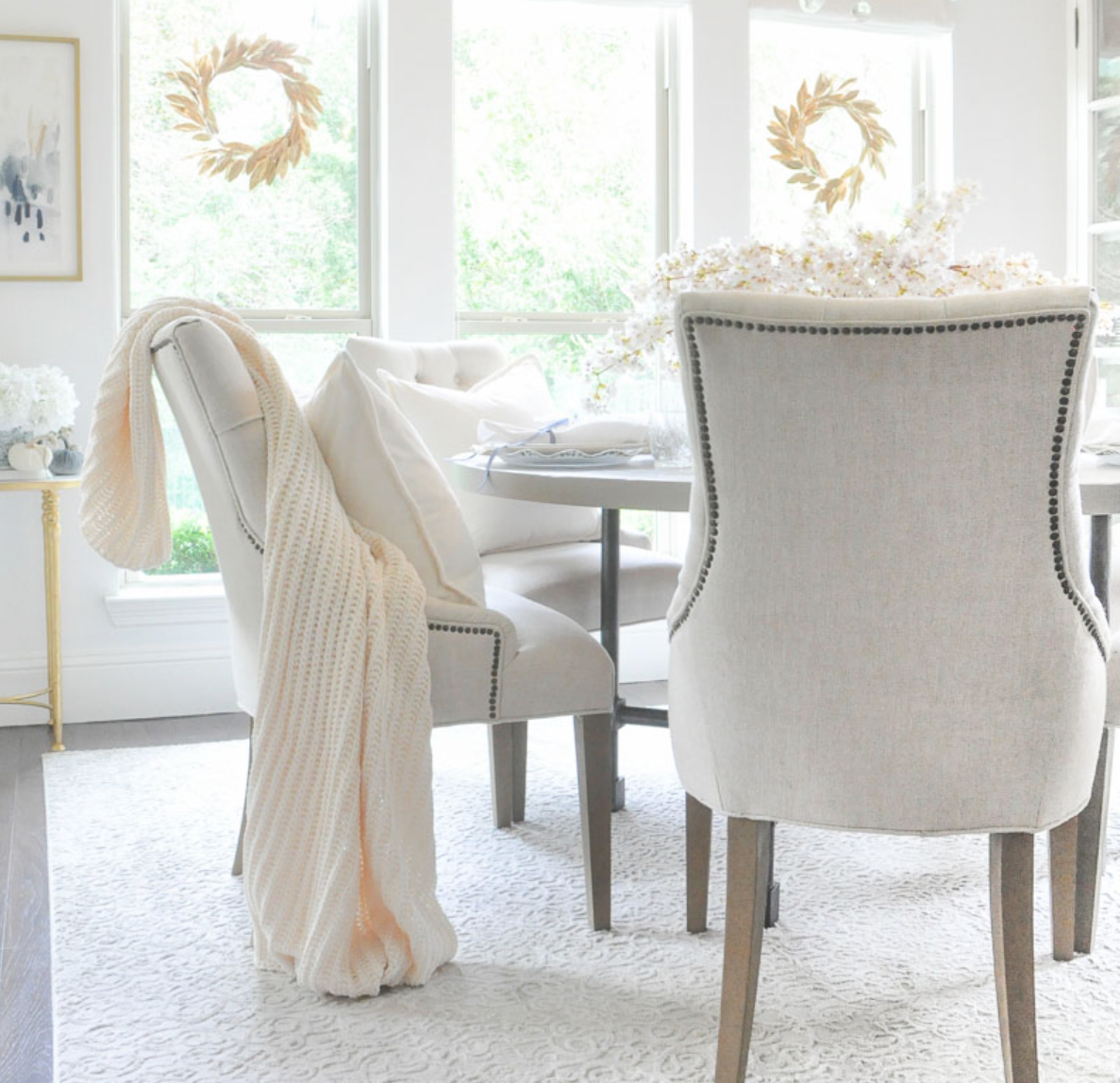
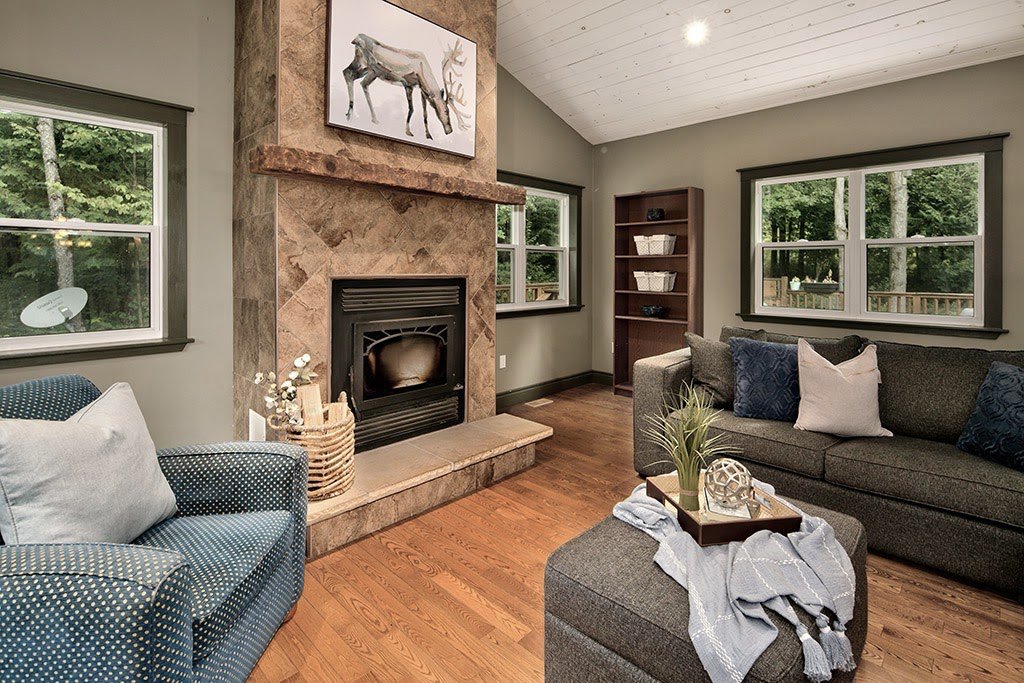
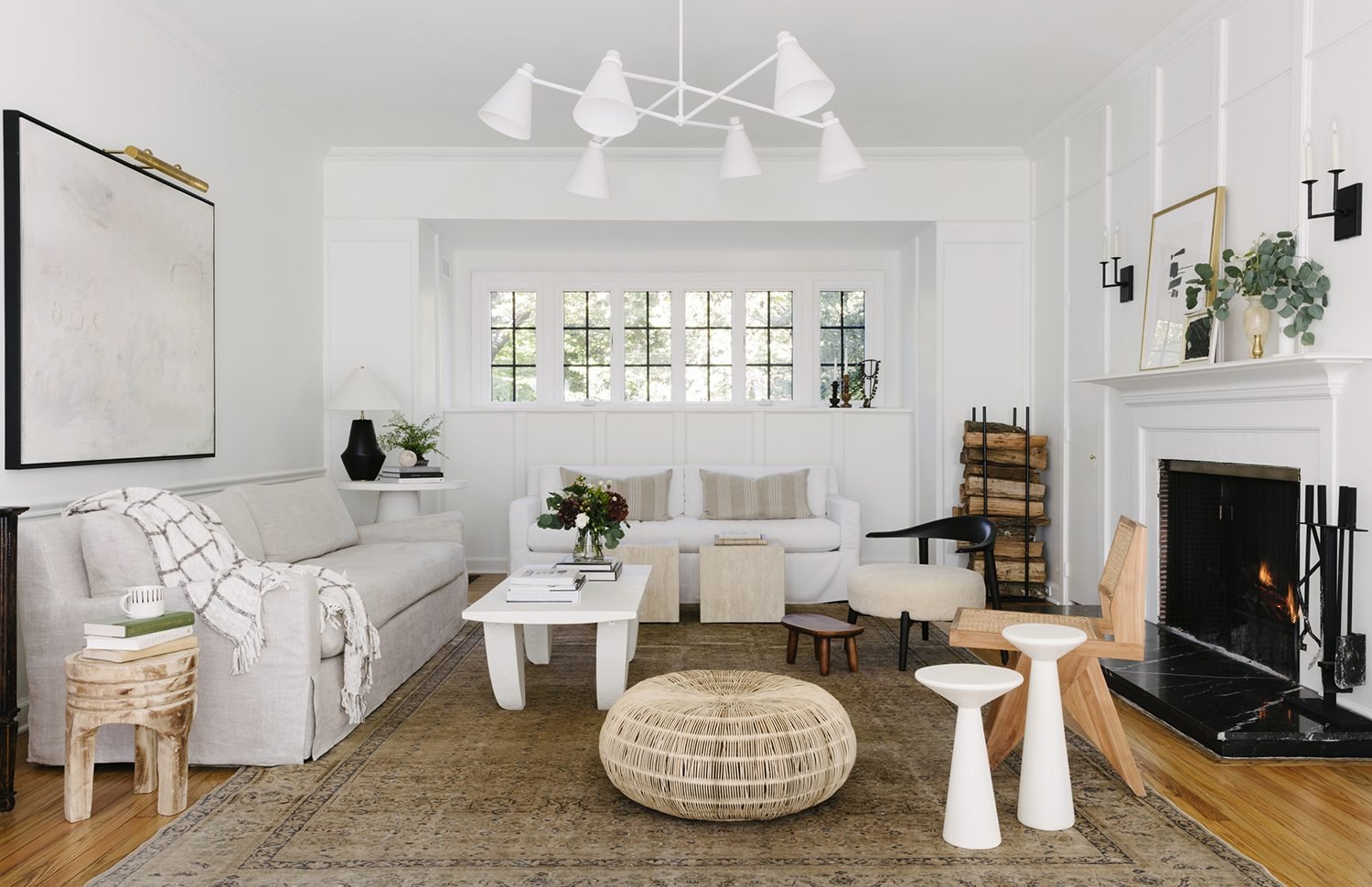
Once you’ve decided on your colour palette, add in a variety of textures that complement each other. This will do a lot to create dimension in your space. For example, the linen couch fabrics (right) create harmony with other natural materials like stone, wood and wicker (note, none of the images represent my work, just online examples)

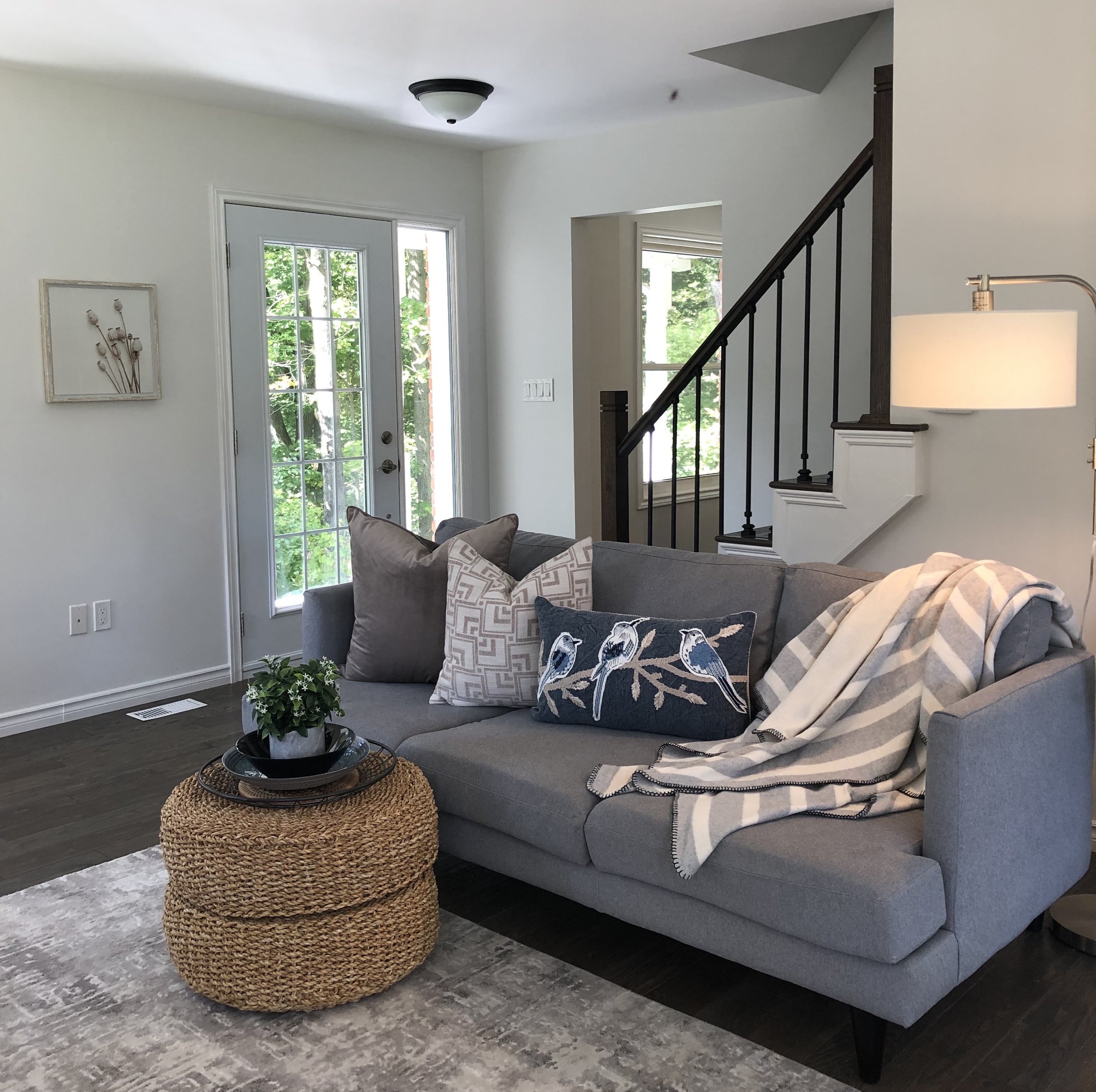
When different patterns work well, you get harmony. In the example (right), simple stripes on the ottoman work nicely with the vintage rug and the plain pillows. The plaid pillows pull the brick colour in and you’ll note that no single pattern overwhelms the other. The shared colour palette creates a sense of unity. 

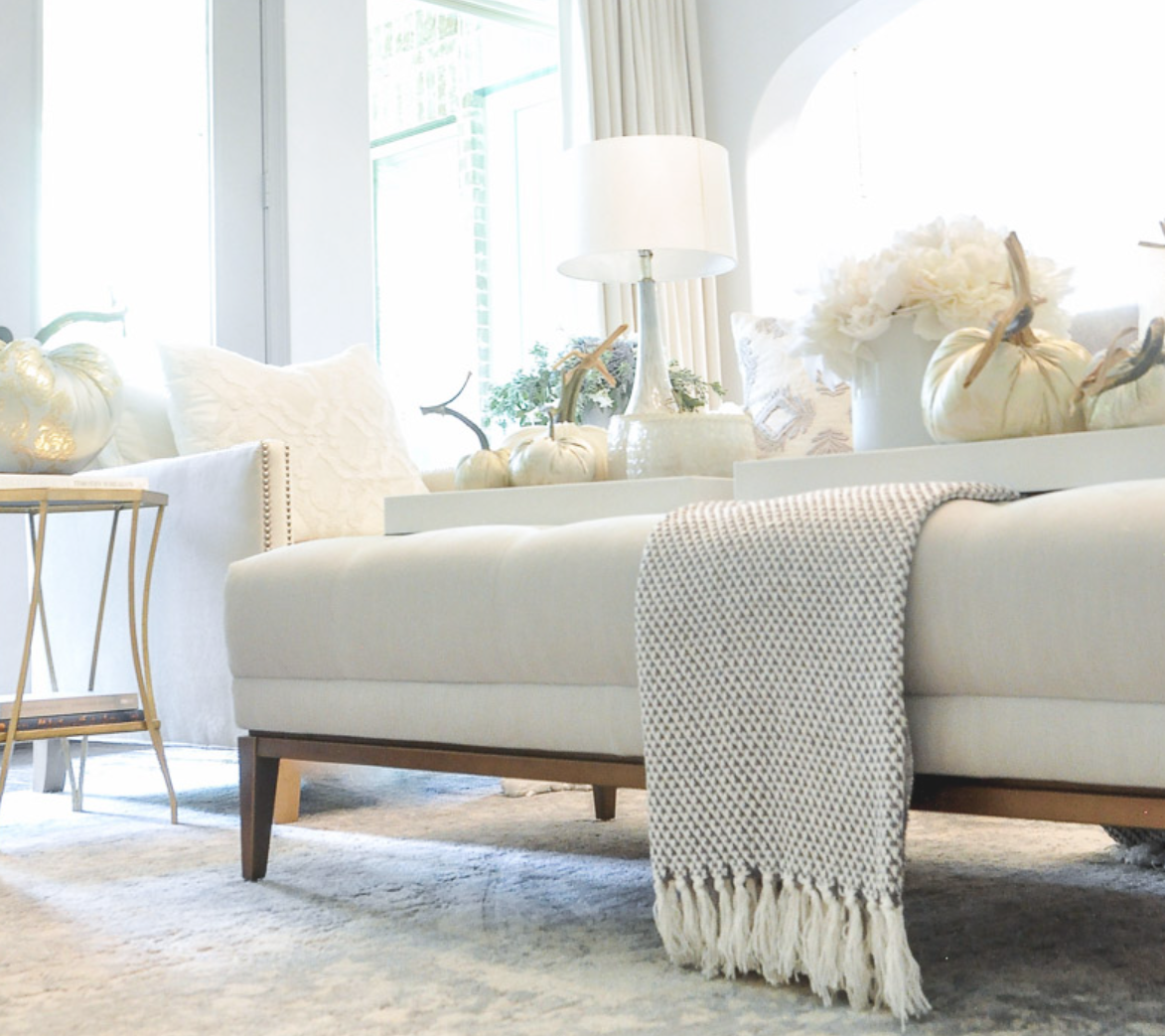
Finally, don’t forget about the importance of shapes. The image to the left is an excellent example of how to incorporate consistent shapes into a room to create a unified look. Notice how circles are the primary shape used in artwork, furniture, the poufs, the lampshade, basket and vase. All taking up their own space so to speak by being nicely positioned through the room.

Up next?
Part 3 of my 7-part series where we will review the design principle of RHYTHM … stay tuned!

To learn more about my staging or design services, contact julie.b@flairstyleco.com

Design Principle #1 - Balance

Like interior designers, stagers and decorators need to incorporate key principles of interior design when they are working to bring a space together. The 7 key principles are:

  • Balance

  • Unity

  • Rhythm

  • Emphasis

  • Contrast

  • Scale/Proportion

  • Details

All of these play an important role in design, but today we are going to focus on BALANCE.  

Very quickly defined, balance (in interior design) is the harmonious arrangement of items in a room. It is used to visually stabilize a space. The goal of incorporating balance is to ensure that no single element in a room overpowers another in terms of visual weight or dominance. If balance is not obtained, a room can feel awkward and uncomfortable. For stagers, it is important to make visually appealing settings where a potential buyer feels comfortable and the rooms are balanced.

There are three different types of balance:

  1. Symmetrical 

  2. Asymmetrical

  3. Radial 

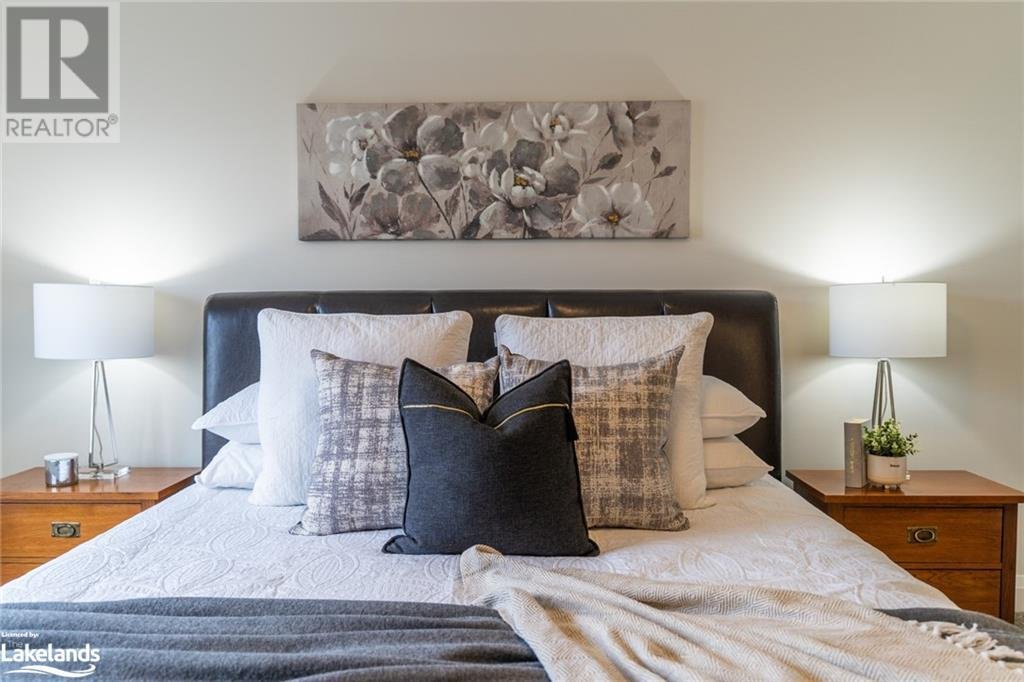
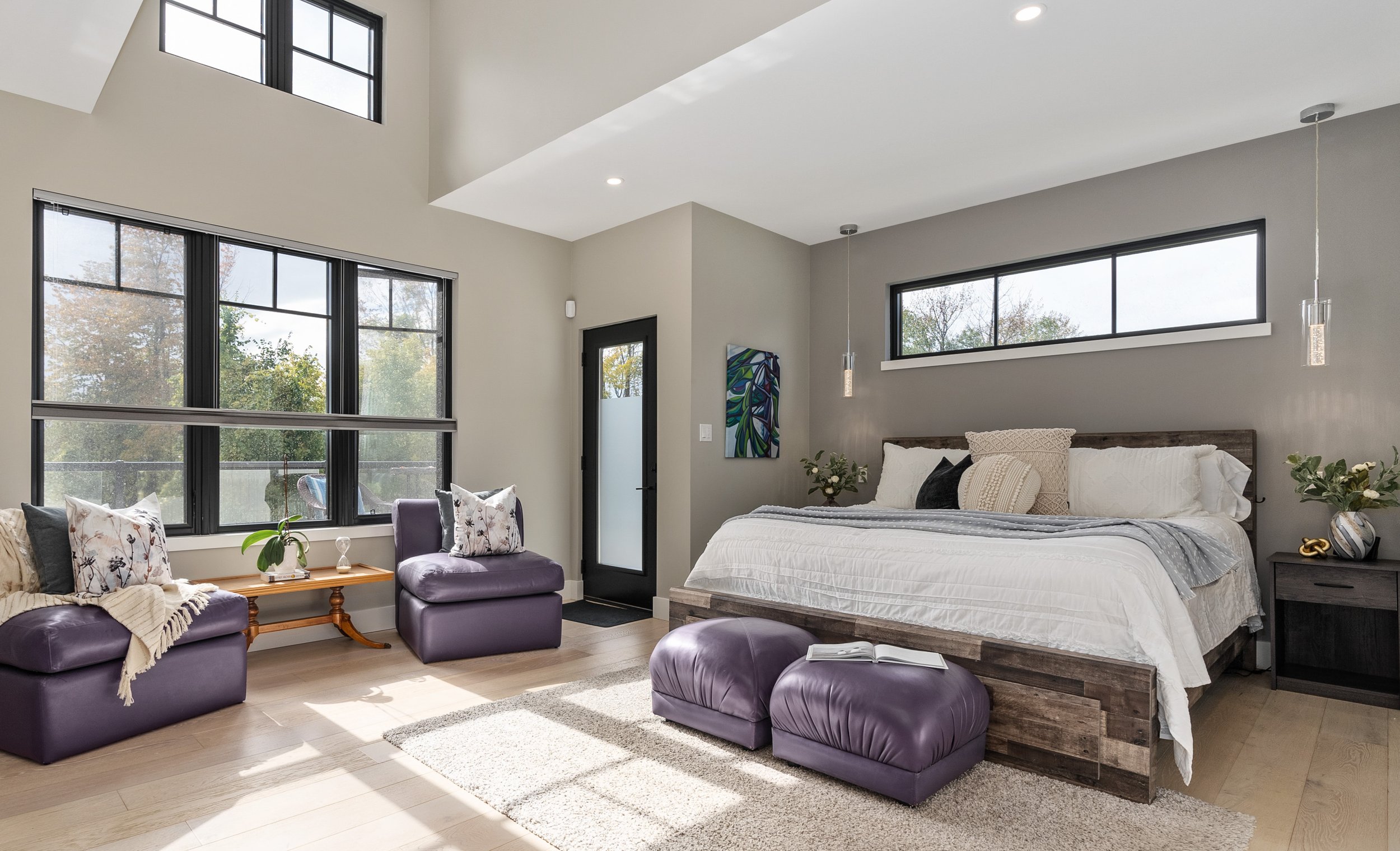
Symmetrical balance is obtained when both sides of the space are weighted identically.  This is commonly used when staging bedrooms.  Often the end tables on both sides of the bed are identical, lamps on the end tables the same, each side of the bedding similar. If you were to cut the room down the centre, both sides would appear alike.  Here are a few of our staging projects showing symmetrical balance:

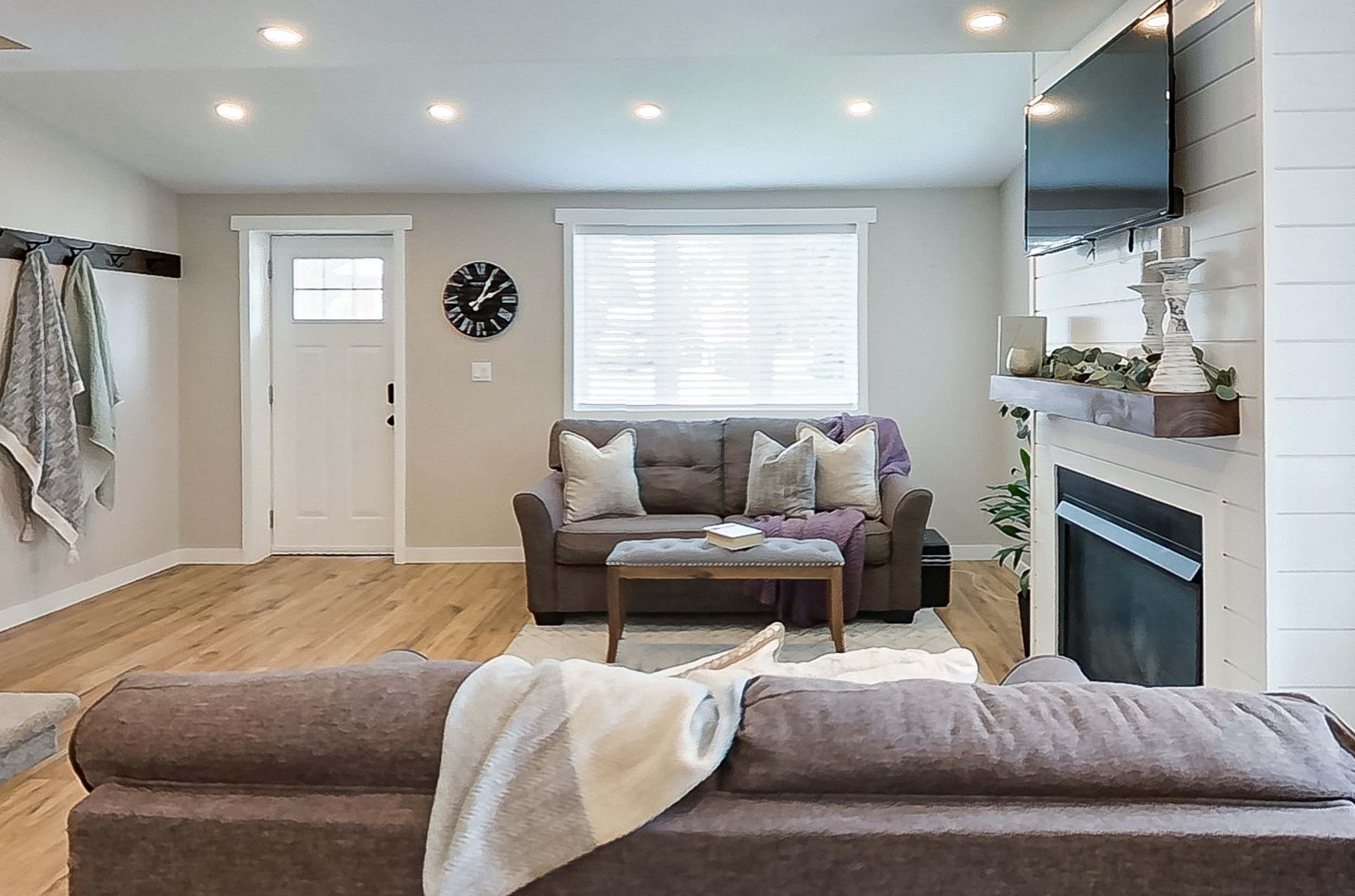
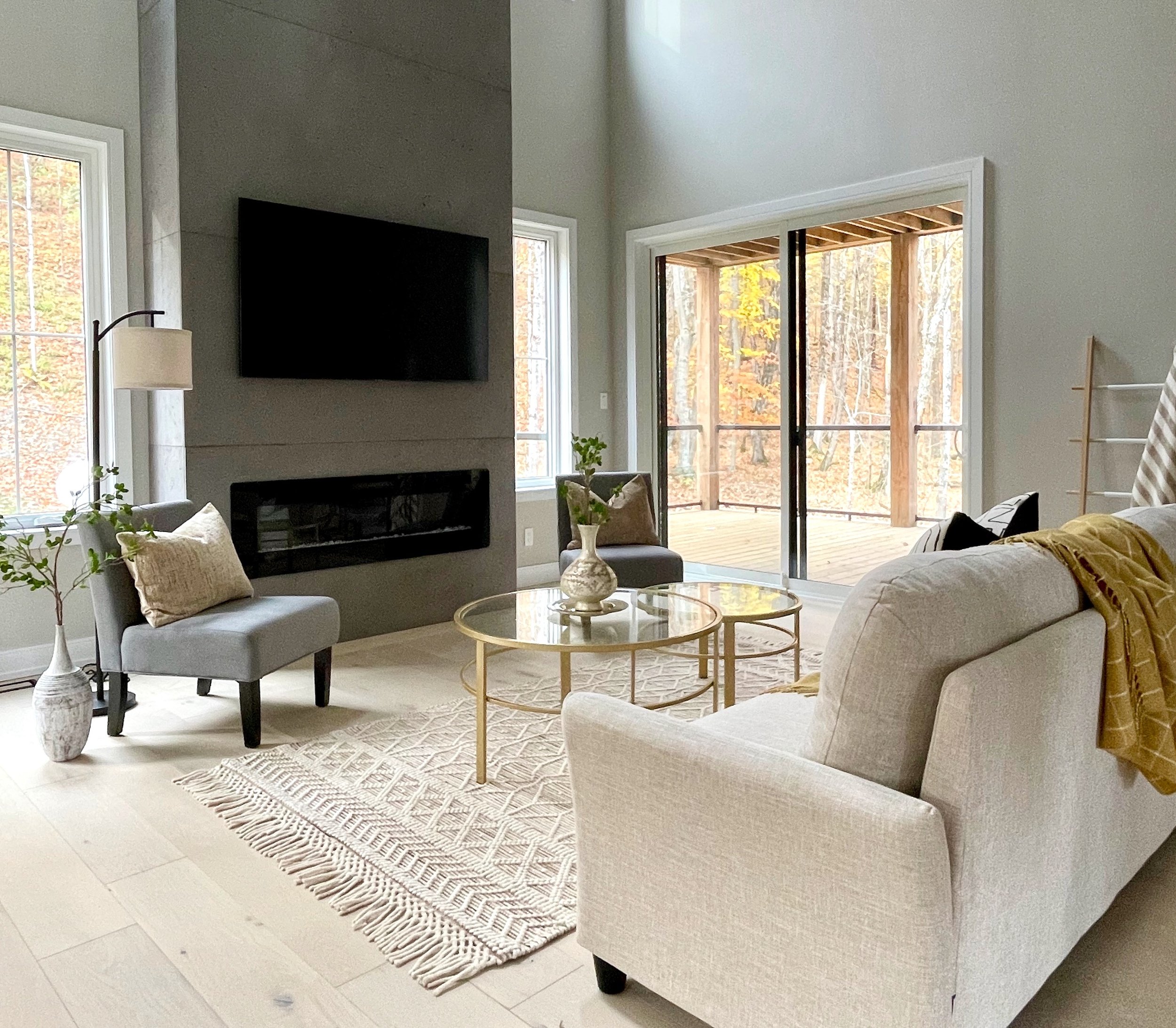
Asymmetric balance is the idea that even if two sides of a space are not exactly the same, they will appear balanced.  This type of balance is often seen in a living room.  Half of the room msy contain a couch, while the other half contains two chairs.  The sides are different, yet work together very well.  Here are two examples from our vacant stages:

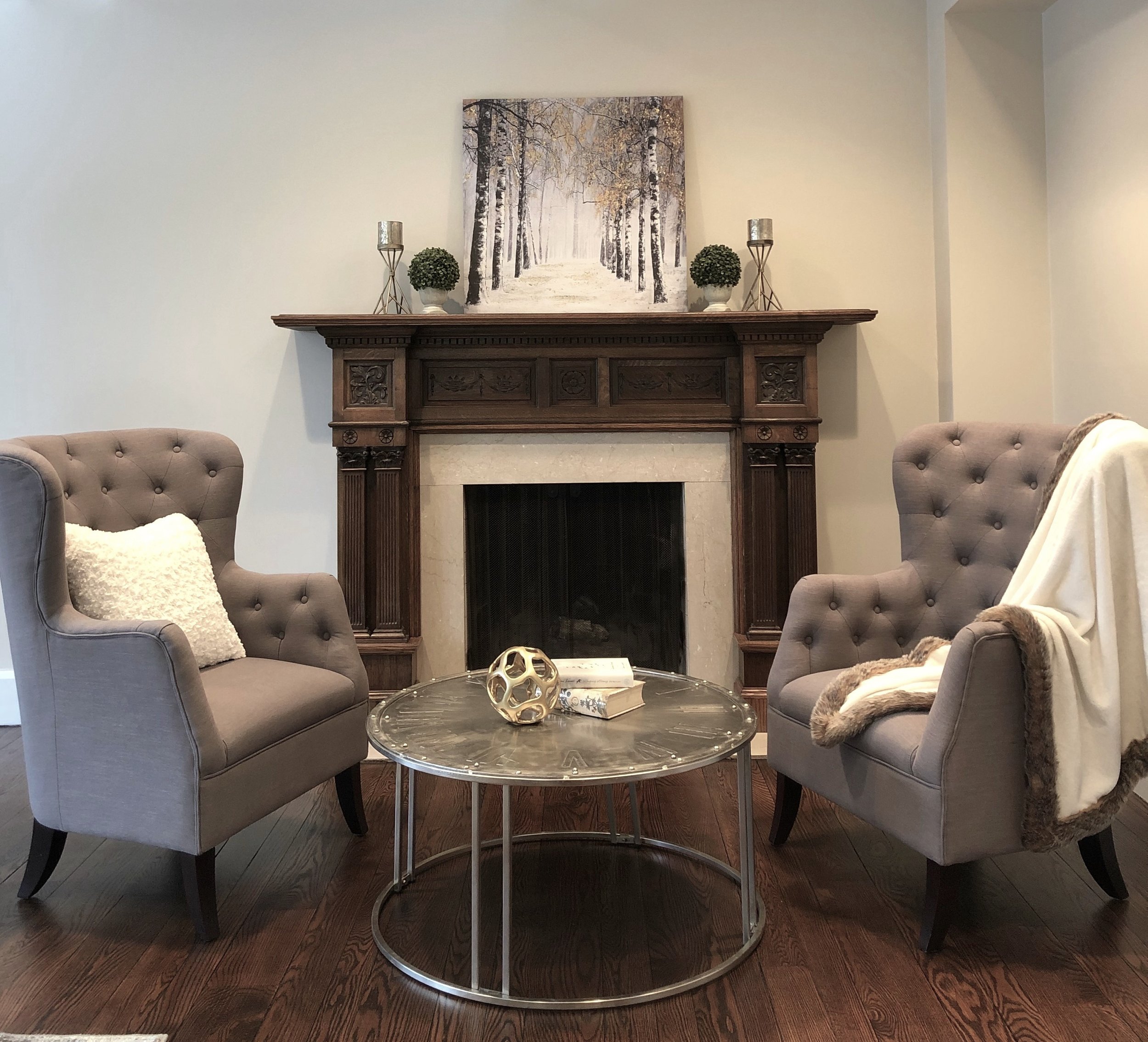
Radial balance is a type of symmetry that surrounds one central point.  As a result, radial balance is usually created using round items, ex: round tables.  Dining room radial balance is the most common where the table is the central point and additional items create a circular way of balance.  Radial balance from one of our stages:


Balance surrounds us everywhere and has become a central point within design.  It is important to use this element to strengthen a space to make it visually appealing, welcoming, and overall organized!

To learn more about my staging services, contact julie.b@flairstyleco.com

What to Expect from a Home Staging Consultation

Home staging one of the most powerful and effective marketing strategies to sell your home fast and for top dollar. Once you’ve decided to invest in the process, it all starts with the consultation. Depending on where you live, the fee for a consultation can range but they are generally between $200-$350.

Here’s an overview of what to expect:

Walk and Talk

After the meet and greet, a home staging consultation starts with an interior walkthrough of the home. The staging professional will take their time going through each room in the home. This is our chance to see things through the buyer’s eyes to determine what kind of first impression the home would provide and observe what changes need to be made to make it more appealing. The seller is generally along for the ‘walk and talk’. This helps us to determine what recommendations they may (or may not) be willing to undertake, timelines, available support, budget, etc. The duration of the ‘walk and talk’ can vary but is generally 30-45 minutes.

A review of the home’s curb appeal

The first impression starts at the curb. Some buyers won’t even bother going inside if they don’t like what they see when they drive up. After the interior ‘walk and talk’, a home stager will give your home’s exterior curb appeal a review as well pointing out any repairs and changes that need to be made. We’ll suggest things such as landscaping ideas, general maintenance and even paint colour suggestions to make the strongest impression possible.

Discussion about the home’s target market

Home staging is just like packaging a product. To know how to package it in a way that will attract the consumer, it’s critical to know your target market. Home stagers work directly with real estate agents and spend time learning and studying the trends so we can “package” (or stage) each home as effectively as possible. Not only do we know the trends in the market as a whole, but we also know how to appeal to specific demographics, such as families versus singles.

Action Plan

Walk & Talk Recap

After the consultation, your stager will prepare and send you a detailed recap of what was discussed via the consultation. For convenience, this is generally a room-by-room summary which can include recommendations re decluttering, depersonalizing, cleaning, painting, small repairs, furniture arrangement, etc. Expect this to be a detailed report since the stager’s obligation is to bring all condition items to your attention to give you the best chance of selling your home. Ultimately, you will decide what items you want to address based on time, budget, support, etc.

Referral to the Trades

Since most stagers partner with local professionals to provide various services, they are able to make qualified referrals to assist you (if necessary). Some rooms may only require a little bit of work while others require more extensive staging and changes to impress buyers.

Staging Quote

Finally, the stager will prepare a quote for you outlining the cost to showcase (stage) your home once all of the recommendations have been completed. Showcasing is the final, most important, step where decorative touches are put in place to make sure the buyer instantly connects with your property!

Thinking of selling? Book a staging consultation with me!

How much should I spend to prep my home for listing?

As a general rule, sellers should invest between 1-3% of the listing price to ready the property.

Keep in mind, this includes ALL updates and/or services required to prep it for listing. For instance:

  • painting

  • large repairs (roof, septic, plumbing, etc.)

  • small updates (changing light fixtures, etc)

  • landscaping

  • staging

  • cleaning

The above being said, it’s difficult to put an exact amount on this since as there are a number of factors to consider:

1.    Age of the home - newer homes will likely require less work which = less money spent

2.    How long you’ve lived there - the longer you’ve been in your home, the higher the expectation is that you have made some improvements

3.    Recent upgrades - if you have made some recent quality improvements, this will reduce the amount that you need to invest

4.    Selling ‘as is’ – sometimes, a home is being sold as a ‘fixer-upper’ which means buyers will have much lower expectations.  Remember, you still need to show the potential of the home so less expensive updates (painting) may be needed

5.    Potential major upgrades (roof, plumbing, etc.) - these can significantly increase the investment needed to prep the home.  A staging professional or real estate agent can guide you in the right direction re maximizing your return on your investment

Expanding Our Reach ...

Since 2016, I’ve had the pleasure of staging in the Grey County and Southern Georgian Bay areas. It’s an amazing geographical region of Ontario offering a 4-season playground for those lucky enough to live here and for families from the Toronto area wanting to enjoy weekends away.

Staging is now recognized as a critical, necessary part of the real estate selling process.

Since I began offering my services, the staging industry has grown by leaps and bounds. Although a little slower to take hold in non-urban areas like ours, it has now nicely established itself as an essential real estate service and for all the right reasons.

Gone are the days when homes are considered ‘good enough’ to be listed as is. The game has changed. The market is more competitive and to remain current, Realtors® now understand they need to partner with a professional stager to assist their sellers with the critical, pre-listing process. Staging is a win for sellers, buyers and Realtors® and ranks as one of the most effective marketing tools when selling a property.

Many Realtors® in the Meaford, Thornbury and Collingwood areas were quick to adopt staging as a way to up the level of service they offered and differentiate themselves from the competition. Owen Sound, as the largest centre in Grey County, has now followed suit and I expect to see many more Realtors® integrate staging into their marketing plan over the coming years.

On the move …

As the demand for staging continues to rise, I’m pleased to announce we are expanding our reach up into the Wiarton and Bruce Peninsula region as well. The Peninsula is another breathtaking region in our area, home to both full-time residents and cottagers. Using a central location for our storage means that we can continue to service our existing clients and also easily accommodate new ones into the Peninsula. The Cobble Beach area (north of Owen Sound) continues to expand with new housing development along with the picturesque Grey Road 1 area leading into Wiarton. I’ve been lucky to stage numerous homes (new and existing) along this route over the past few years and it never fails to deliver some amazing views.

Thank You …

Thank you to all of those who have partnered with me over the years … looking forward to more projects with you, some recently-acquired new Realtors® in the Wiarton area and, of course, new ones as well that we can now say ‘yes’ to servicing !!

For more information on how we can help, email julie.b@flairstyleco.com or call 519 270 4482.

5 Changes Stagers Will Recommend

Remember, staging is not decorating. Yes, there’s a decorating component to the overall process; however, it goes beyond just placing pretty items. It’s more about the function of your home and making it an appealing, neutral space for buyers.

Here’s are 5 changes that a home stager will recommend you do in order to maximize your home’s potential:

#1 - Purge clutter

As the adage goes, ‘you can’t sell it if you can’t see it’. Buyers get an immediate vibe within seconds of walking into your home. If they see clutter, they will want to leave … simple as that. This task may be daunting for some homeowners but it’s on the ‘must do’ list when it comes to selling. If you need to delay listing to get this done, it will be well worth it in the end. Not only does it create a clean, welcoming space but it also sends the message to the buyer that you take pride in your home (which translates to it being well cared for).

#2 - Move furniture to improve flow

Sellers get used to living in their home a certain way, which often means with too much furniture, improper flow and just generally not functional. A stager objectively looks at every space and will reposition, remove, or add furniture to improve the flow and look. 

#3 - Neutralize your colour palette

Stagers will often suggest painting the walls a soft colour to brighten and enlarge the space. Key for buyers is ‘move-in condition’. Wall colour is a big factor in determining whether they will be able to move in and feel comfortable living with the colour as is OR whether they will need to make changes (which translates to a lower offer).

#4 - Box up your ‘stuff’

Remember your teacup collection may not be their ‘cup of tea’ so to speak. In general, any collection of items looks cluttered and is distracting for buyers. Pack them away!

#5 - Upgrade your bedding

Bedrooms should always look restful, cozy and luxurious. It’s a universal appeal which is why it’s worth putting the extra effort into changing the bedding, adding in lots of texture and layers via pillows, blankets and throws.

For more information on my home staging services, visit www.flairstyleco.com